

Cash Outside Nigerian Banks Hits N4.92tn as Cashless Push Faces Fresh Challenge
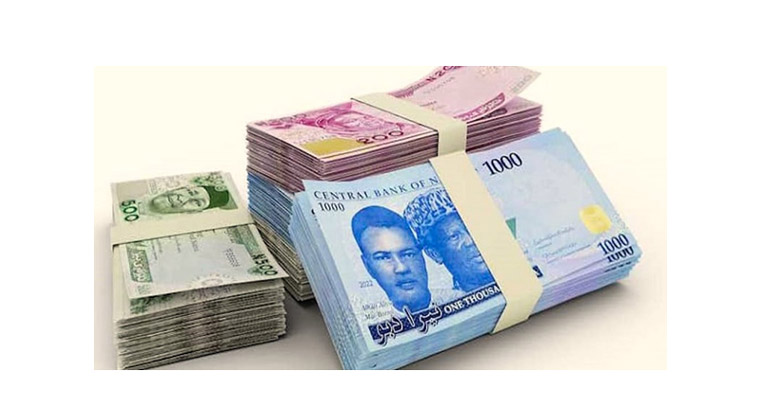
Cash held outside Nigeria’s banking system rose to ₦4.92 trillion in September 2026, signalling a renewed increase in physical cash holdings despite ongoing efforts to encourage electronic payments.
According to data from the Central Bank of Nigeria (CBN), reported by The Star and Nairametrics, currency outside banks increased by ₦48.73 billion from ₦4.87 trillion recorded in August.
The latest increase represents a rise of approximately one per cent within a month, marking the second consecutive monthly increase after cash held outside banks declined between May and July.
In July, the figure dropped to ₦4.80 trillion, its lowest level in eight months, before reversing direction in August.
Nigeria’s Money Supply Also Increases
The CBN data further showed that Nigeria’s broad money supply climbed to ₦146.6 trillion in September, up from ₦139.09 trillion in August.
This represents a monthly increase of approximately ₦7.51 trillion, or 5.4 per cent.
Broad money supply includes physical cash, bank deposits, savings, time deposits and foreign currency deposits. The increase indicates that the total stock of money within the financial system expanded during the period, although it does not necessarily mean that the entire increase translated into consumer spending.
CBN’s Cashless Policy Under the Spotlight
The latest figures come as the apex bank continues to promote digital payments and financial inclusion across the country.
According to Nairametrics, the CBN has outlined plans under its Nigeria Payment System Vision 2028 to reduce cash held outside banks to below 40 per cent of total currency in circulation, while targeting financial inclusion for 95 per cent of Nigerian adults by 2028.
Despite the growing use of mobile banking, instant transfers and point-of-sale terminals, physical cash remains important for many Nigerians, particularly informal traders and small businesses.
The latest increase does not necessarily indicate a decline in electronic transactions, as cash usage and digital payments can grow simultaneously.
However, the figures highlight the continuing challenge facing the CBN as it seeks to expand digital payments while ensuring that banking services remain accessible and reliable for Nigerians.
Sources: The Star | Nairametrics | Central Bank of Nigeria