


Experts Warn Nigeria Against Depending on Imported Energy Technology, Demand Urgent Shift to Local Production
Energy experts have warned that Nigeria risks losing billions of naira, jobs and valuable industrial opportunities if it continues to depend heavily on imported energy technology instead of developing its own manufacturing capacity.
The experts are urging the Federal Government to prioritise local production of solar panels, batteries, inverters and other renewable energy equipment, arguing that Nigeria must move beyond being a consumer of foreign technology and become a producer and exporter.
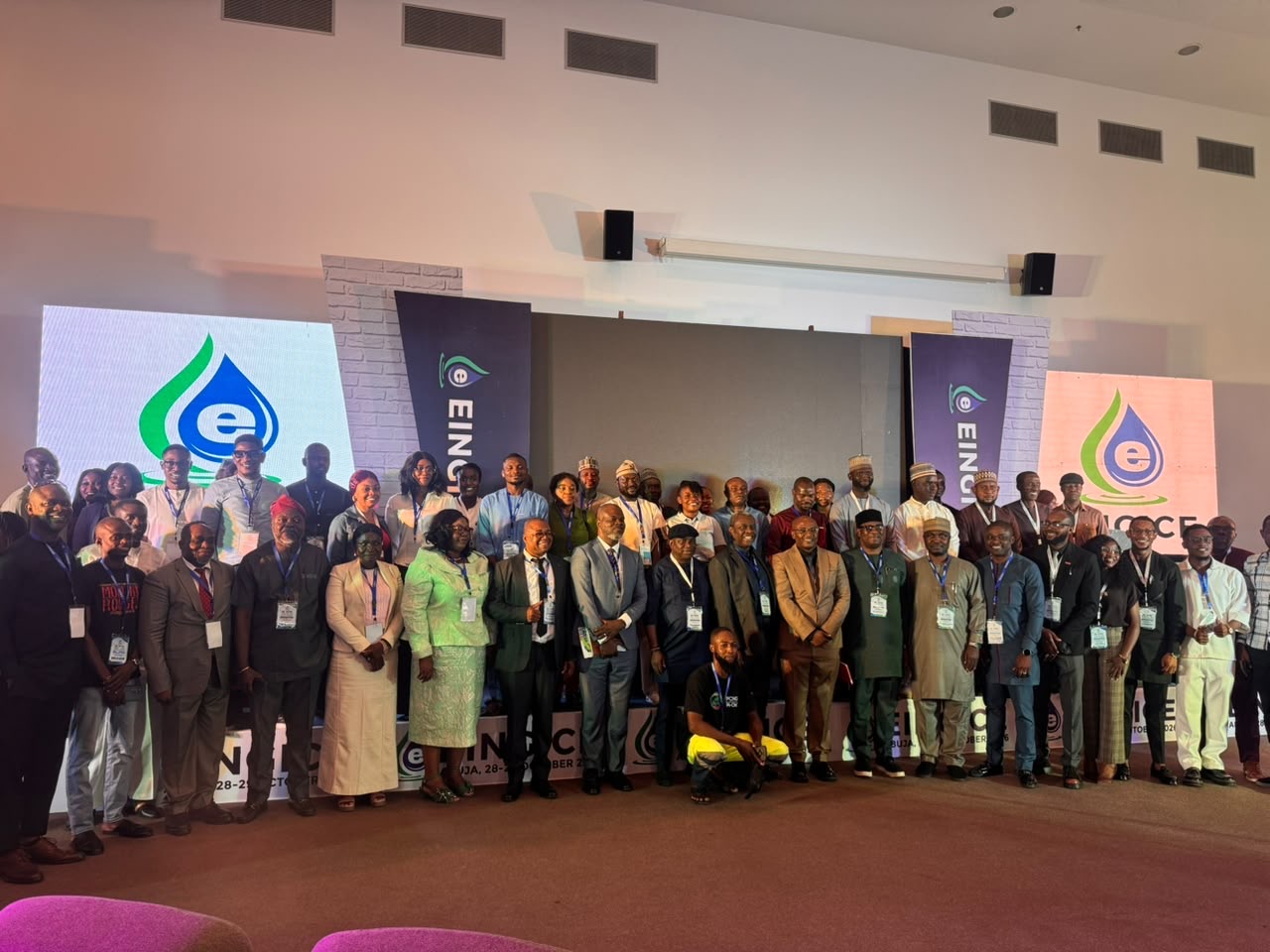
According to a report by The Guardian, experts at the Energy Transition Africa 2026 Colloquium stressed that renewable energy investments should support local industries, create jobs and strengthen domestic businesses rather than deepen dependence on imported equipment.
They argued that Africa’s energy transition would deliver greater economic benefits if governments invested in local manufacturing, technical education and indigenous innovation.
Nigeria Spending Billions on Imported Solar Equipment
The warning comes amid growing concerns over Nigeria’s dependence on foreign-made renewable energy products.
A report by The Punch revealed that the country spent over ₦400 billion importing solar technologies in 2025, while imports exceeded ₦200 billion in the first half of 2026.
The Senior Special Assistant to President Bola Tinubu on Climate Technology and Operations, Professor Olamide Fagbuji, has called for deliberate policies that will position Nigeria as a manufacturer and exporter of renewable energy technologies.
Similarly, Premium Times reported that local manufacturers already have the capacity to produce or assemble some solar equipment, including mounting structures, cables, solar panels and battery packs. However, high financing costs, unstable electricity supply, foreign exchange challenges and limited industrial capacity continue to restrict production.
Experts Call for Urgent Action
The experts believe that strengthening local energy technology manufacturing could reduce pressure on foreign exchange, create employment opportunities and help Nigeria retain more economic value within its borders.
However, some industry stakeholders have warned against immediately banning imported solar products, arguing that local manufacturers are not yet equipped to meet the country’s growing demand.
As reported by BusinessDay, Nigeria must strike a balance between encouraging local production and ensuring that affordable solar equipment remains available to households and businesses struggling with unreliable electricity.
The message from industry stakeholders is clear: Nigeria cannot afford to remain dependent on foreign technology indefinitely. Building local capacity, supporting indigenous innovators and creating an enabling environment for manufacturers will be critical to securing the country’s energy future.
Sources: The Guardian, The Punch, Premium Times and BusinessDay.