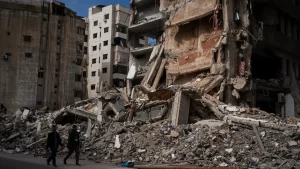


1. Introduction to Structural Failures in Urban Environments
Structural failures in urban environments refer to the breakdown or collapse of infrastructure components such as bridges, buildings, roads, or water systems. These failures can cause significant safety hazards, economic losses, and disruption of daily life. Understanding their importance is vital for sustainable city development.
Common causes include material fatigue, design flaws, natural disasters, overloading, and inadequate maintenance. The consequences often involve injury, loss of life, service interruptions, and costly repairs, emphasizing the need for proactive planning to mitigate such risks.
Proactive city planning involves anticipating potential failure points and implementing strategies to prevent them. This foresight ensures resilience, safety, and longevity of urban infrastructure.
2. Fundamental Principles of City Planning that Mitigate Structural Risks
a. Geographic and environmental considerations
Urban planners must analyze topography, soil stability, seismic activity, and climate conditions. For example, constructing on floodplains without adequate drainage increases water-related damage risks. Incorporating environmental data ensures foundations and structures are designed to withstand local conditions, reducing failure likelihood.
b. Load distribution and material selection
Proper load distribution involves understanding how weight is transferred across structures. Using resilient materials like reinforced concrete and steel enhances durability. For instance, selecting materials with high fatigue resistance prevents early deterioration, as seen in bridges subjected to heavy traffic loads.
c. Zoning and land use regulations to prevent overcrowding and overload
Strategic zoning prevents excessive density in vulnerable areas. By regulating building heights and population density, cities avoid overloading infrastructure, which could lead to failures. A balanced land use plan distributes stress evenly across the city’s systems.
3. The Role of Regulatory Frameworks and Standards in Ensuring Structural Integrity
a. Building codes and codes enforcement
Building codes establish minimum standards for safety, materials, and design. Strict enforcement ensures compliance, reducing failure risks. For example, the adoption of seismic codes in earthquake-prone regions has significantly lowered collapse incidents.
b. Inspection and maintenance protocols
Regular inspections identify early signs of deterioration. Maintenance protocols, such as retrofitting aging bridges, maintain structural integrity over time. Neglecting these can lead to catastrophic failures, illustrated by the 2007 Minneapolis bridge collapse.
c. Examples of regulatory failures and lessons learned
Historical failures often result from lax regulations or poor enforcement. Analyzing such cases helps improve standards. For instance, the collapse of the Ronan Point tower in 1968 prompted stricter building regulations in the UK.
4. Urban Design and Infrastructure Layout for Structural Resilience
a. Road and bridge placement to avoid congestion and stress
Strategic placement of roads and bridges reduces load concentrations. Spreading traffic loads decreases stress on individual structures, extending lifespan. For example, multiple alternative routes prevent excessive burden on a single bridge during peak hours.
b. Drainage systems to prevent water-related damage
Effective drainage channels prevent water accumulation that can weaken foundations. Modern cities incorporate stormwater management, such as permeable pavements and retention basins, to mitigate flood risks.
c. Utility placement to reduce risk of failure in critical systems
Locating utilities away from load-bearing structures and in protected corridors minimizes damage from earthquakes or accidents. Underground utility lines with regular inspection schedules enhance system reliability.
5. Innovative Approaches in Modern City Planning for Structural Safety
a. Use of smart sensors and real-time monitoring systems
Embedding sensors in critical infrastructure provides real-time data on stress, vibrations, and fatigue. For instance, smart monitoring of bridges can detect early signs of failure, enabling preventive maintenance.
b. Incorporating sustainable and resilient materials
Materials like fiber-reinforced composites and self-healing concretes enhance resilience. These innovations extend the lifespan of infrastructure and reduce lifecycle costs.
c. Case study: My Sweet Town—A modern example of planning for structural resilience
mysweettown-download.top exemplifies how integrating smart design, resilient materials, and continuous monitoring can create a city resistant to failures. Its infrastructure incorporates adaptive layouts and innovative materials, demonstrating best practices in modern urban planning.
6. Learning from Historical and Cultural Contexts
a. Historical examples of structural failures and their causes
Failures like the Tacoma Narrows Bridge collapse in 1940, caused by aerodynamic instability, highlight the importance of considering natural forces. Such lessons led to the development of aerodynamic bridge designs.
b. Cultural practices influencing city planning decisions
Cultural attitudes towards risk and aesthetics shape planning. For example, in some regions, traditional building techniques prioritize harmony with nature, affecting resilience strategies.
c. Supporting facts: Evolution of sweet shops, donuts, and sugar crystallization as metaphors for planning complexities
Just as sugar crystallizes unpredictably under certain conditions, city systems can develop unforeseen stresses. Recognizing such parallels underscores the importance of understanding complex interactions within urban planning to prevent failures.
7. Non-Obvious Factors Affecting Structural Stability
a. Psychological and social factors influencing planning decisions
Public perceptions and political pressures can lead to compromises on safety standards. For example, cost-cutting measures during economic downturns may weaken structural components.
b. Economic pressures and their impact on safety standards
Budget constraints often delay maintenance or lead to substandard materials. Prioritizing long-term safety over short-term savings is essential for resilience.
c. Hidden risks: natural phenomena and unforeseen events
Natural disasters, such as earthquakes or floods, can overwhelm existing structures. Incorporating resilience to such events in planning is crucial, as shown in cities with earthquake-resistant buildings.
8. The Interplay Between Aesthetic Design and Structural Integrity
a. Balancing beauty with durability
Innovative architecture seeks to blend aesthetics with resilience. For example, modern skyscrapers use angled facades and shock-resistant materials to achieve visual appeal without compromising safety.
b. The impact of architectural styles on maintenance and safety
Complex designs may hinder inspection and repair. Simplified structural elements facilitate ongoing safety assessments, demonstrating the need for harmony between form and function.
c. Modern examples: Integrating aesthetic appeal with resilience in My Sweet Town
mysweettown-download.top showcases architecture that combines visual charm with structural robustness, illustrating best practices for future urban designs.
9. Future Trends and Technologies in Preventing Structural Failures
a. Predictive analytics and AI in urban planning
Harnessing AI enables predictive maintenance, detecting potential failures before they occur. Data-driven models improve decision-making and resource allocation.
b. Modular and adaptive infrastructure solutions
Prefabricated modules allow quick replacement and adaptation to changing needs, reducing downtime and failure risks during repairs or upgrades.
c. Potential challenges and ethical considerations
Technological advancements raise concerns about data privacy, equity, and over-reliance on automation. Responsible implementation is vital for sustainable resilience.
10. Conclusions: Synthesizing Principles for Safer, More Resilient Cities
Effective city planning integrates geographic awareness, strict regulatory standards, thoughtful urban design, and innovative technologies. Continuous learning from past failures and cultural contexts enhances resilience. Cities like My Sweet Town exemplify how these principles can be successfully applied to create safer urban environments.
“Resilience in city infrastructure is not an accident; it is the result of deliberate planning, informed by history, innovation, and a commitment to safety.”